
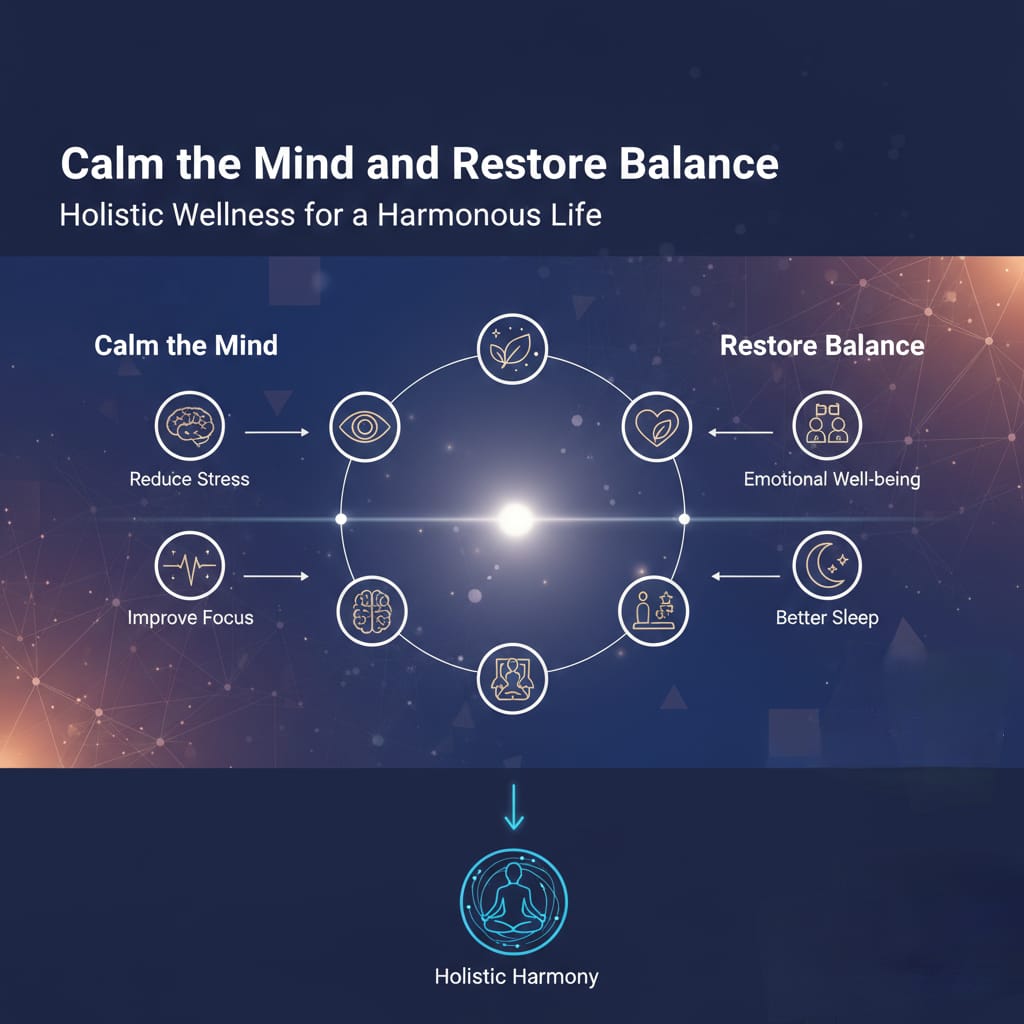
Understanding Escitalopram Alone and with Clonazepam
Mental health conditions such as depression, anxiety disorders, panic disorder, and stress-related symptoms often require tailored treatment approaches. Among commonly prescribed options, escitalopram—used alone or in combination with clonazepam—plays a significant role in restoring emotional balance and improving quality of life.
This blog explores how escitalopram works on its own and why it is sometimes combined with clonazepam for enhanced short-term relief.
Escitalopram: A Foundation for Long-Term Emotional Stability
Escitalopram is a Selective Serotonin Reuptake Inhibitor (SSRI) that works by increasing serotonin levels in the brain—a neurotransmitter essential for mood regulation, emotional resilience, and mental well-being.
Key Roles of Escitalopram Alone
When used as monotherapy, escitalopram helps:
Escitalopram is especially valued for its good tolerability, low sedation, and suitability for long-term use. However, it may take 2–4 weeks to show noticeable benefits.
Why Combine Escitalopram with Clonazepam?
Clonazepam belongs to the benzodiazepine class and acts quickly by calming overactive neural activity. While escitalopram works gradually, clonazepam provides rapid symptom relief, especially during the initial treatment phase.
Roles of Escitalopram + Clonazepam Combination
This combination offers:
Clonazepam helps bridge the gap until escitalopram reaches full effectiveness.
When Is Combination Therapy Preferred?
Escitalopram combined with clonazepam may be recommended for:
Typically, clonazepam is prescribed short-term, while escitalopram continues as long-term therapy.
Comparing the Two Approaches
| Treatment Approach | Primary Role |
| Escitalopram alone | Long-term mood stabilization and anxiety control |
| Escitalopram + Clonazepam | Rapid symptom relief + sustained emotional balance |
Safety and Responsible Use
Patients should never stop or change doses without consulting their healthcare provider.
Final Thoughts
Escitalopram forms a strong foundation for managing depression and anxiety by promoting long-term emotional balance. When combined with clonazepam, it offers quick relief during challenging periods—making treatment more comfortable and effective.
The key to success lies in personalized therapy, careful monitoring, and a step-wise approach that prioritizes both relief and long-term mental well-being.
Because mental peace isn’t just about feeling better today—it’s about staying well tomorrow.
One thought on “Calm the Mind, Restore Balance”
Hi, this is a comment.
To get started with moderating, editing, and deleting comments, please visit the Comments screen in the dashboard.
Commenter avatars come from Gravatar.
Comments are closed.