
Understanding ADHD and Adult ADHD : Role of High Strength Omega 3 Fatty Acids
Attention-Deficit/Hyperactivity Disorder (ADHD) is often misunderstood as a childhood condition marked by hyperactive behavior and poor concentration. In reality, ADHD is a lifelong neurodevelopmental condition that affects millions of adults worldwide. Increasing awareness about ADHD—especially adult ADHD—is essential for reducing stigma, improving diagnosis, and helping individuals lead healthier, more fulfilling lives.
If you or someone you know resonates with the experiences described above, you are not alone. Learning about ADHD is the first step toward understanding, support, and positive change. Awareness empowers individuals to seek help, embrace their strengths, and rewrite their stories with clarity and compassion.
What Is ADHD?
ADHD is a neurodevelopmental condition that affects how the brain regulates attention, impulse control, and activity levels. It is not a sign of laziness, lack of intelligence, or poor discipline. People with ADHD may experience challenges in focusing, organizing tasks, managing time, and controlling impulses.
ADHD generally presents in three main types:
Combined Type – a mix of inattentive and hyperactive-impulsive symptoms
Predominantly Inattentive Type – difficulty sustaining attention, forgetfulness, and disorganization
Predominantly Hyperactive-Impulsive Type – restlessness, impulsive decisions, and difficulty sitting still
ADHD Doesn’t End With Childhood
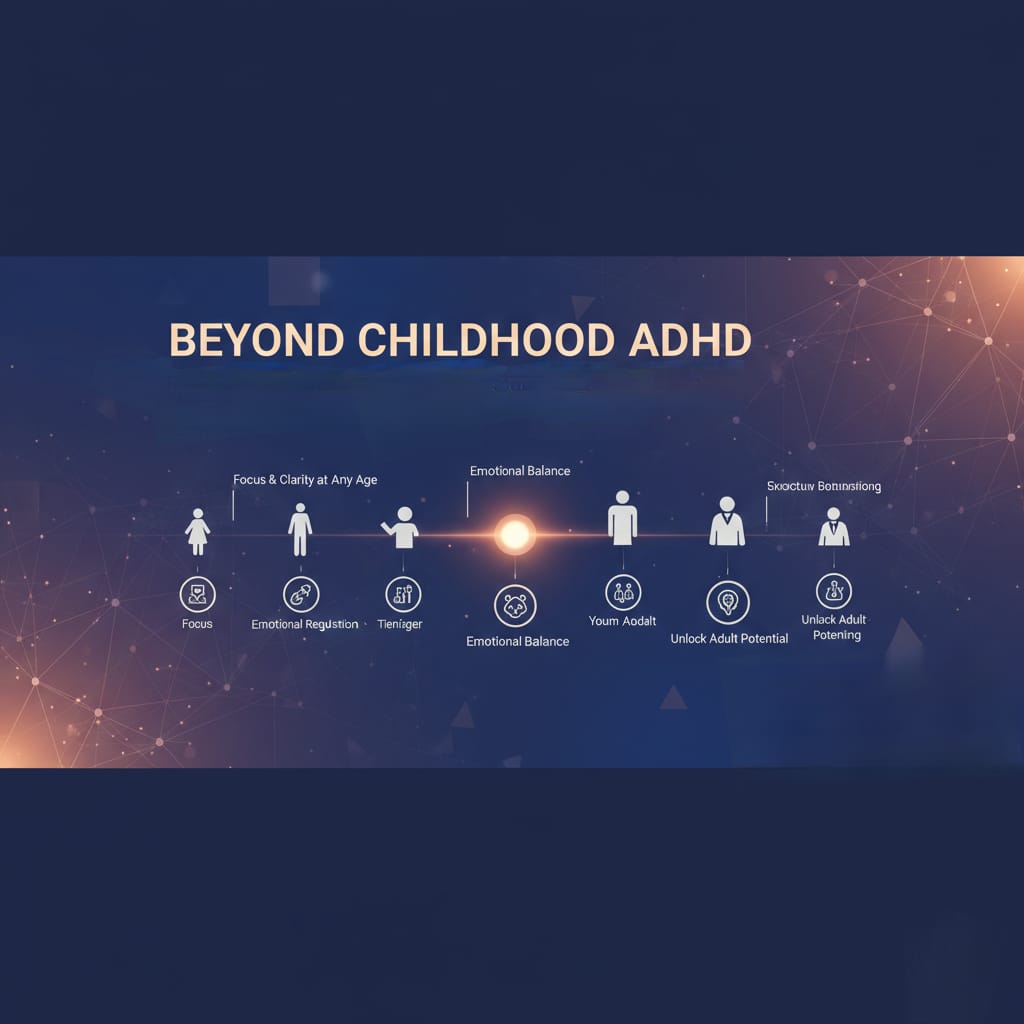
A common myth is that people “grow out of” ADHD. While symptoms may change over time, many individuals continue to experience ADHD into adulthood. Some are diagnosed in childhood, while others only recognize the signs later in life—often after years of unexplained struggles.
Adult ADHD may look different from childhood ADHD. Hyperactivity might become inner restlessness, and impulsivity may show up as hasty decisions or emotional reactions. Because these symptoms are less obvious, adult ADHD is frequently overlooked or misdiagnosed.
Common Signs of Adult ADHD
Adult ADHD can affect multiple areas of life, including work, relationships, and self-esteem. Common signs include:
Not everyone experiences ADHD in the same way, and symptoms can vary in intensity.
The Impact of Undiagnosed ADHD
When ADHD goes unrecognized, individuals may internalize their struggles, believing they are lazy, careless, or incapable. This can lead to anxiety, depression, low self-esteem, and burnout. Many adults with undiagnosed ADHD report working harder than others just to keep up, often at the cost of their mental health.
Awareness and proper diagnosis can be life-changing. Understanding why certain challenges exist allows people to seek appropriate support and develop strategies that work for their brains.
Diagnosis and Support
ADHD in adults is typically diagnosed by a qualified mental health professional through clinical interviews, questionnaires, and a review of personal history. There is no single test for ADHD.
Support for ADHD may include:
With the right support, adults with ADHD can thrive.
Strengths Associated With ADHD
While ADHD presents challenges, it is also associated with unique strengths. Many people with ADHD are creative, energetic, empathetic, and capable of intense focus on topics they are passionate about. Recognizing ADHD as a different way of thinking—rather than a flaw—helps shift the conversation from deficit to diversity.
Why Awareness Matters
Raising awareness about ADHD and adult ADHD helps:
ADHD is not a personal failure—it is a neurodevelopmental difference. With awareness, acceptance, and support, individuals with ADHD can lead successful and meaningful lives.
The Role of High-Strength Omega-3 Fatty Acids in ADHD
Attention-Deficit/Hyperactivity Disorder (ADHD) is a complex neurodevelopmental condition that affects attention, impulse control, emotional regulation, and behavior. Alongside medical and psychological treatments, growing attention has been given to nutritional approaches—particularly high-strength omega-3 fatty acids—as supportive therapy in ADHD management.
What Are Omega-3 Fatty Acids?
Omega-3 fatty acids are essential fats that play a crucial role in brain structure and function. Since the body cannot produce them on its own, they must be obtained through diet or supplementation.
The most important omega-3s for brain health are:
High-strength omega-3 supplements typically contain concentrated amounts of EPA and DHA compared to standard fish oil products.
Why Omega-3s Matter in ADHD
Research has shown that individuals with ADHD often have lower levels of omega-3 fatty acids in their blood compared to those without ADHD. Omega-3s are involved in neurotransmitter activity, inflammation regulation, and brain cell communication—all processes that are relevant to ADHD symptoms.
Key roles of omega-3s in ADHD include:
High-Strength Omega-3s vs Regular Supplements
Not all omega-3 supplements are the same. High-strength omega-3 formulations provide therapeutic doses of EPA and DHA that may be more effective for ADHD symptoms than low-dose or dietary sources alone.
Studies suggest that EPA-dominant formulations, in particular, may be more beneficial for reducing inattention, hyperactivity, and emotional symptoms associated with ADHD.
Evidence From Research
Clinical studies and meta-analyses indicate that omega-3 supplementation can lead to small to moderate improvements in ADHD symptoms, especially:
While omega-3s are not a replacement for stimulant medication, they may be helpful as:
Benefits are typically gradual and may take 8–12 weeks of consistent use to become noticeable.
Safety and Tolerability
High-strength omega-3 fatty acids are generally well tolerated. Common mild side effects may include fishy aftertaste or mild gastrointestinal discomfort. They are considered safe for long-term use when taken at recommended doses.
However, individuals who are pregnant, on blood-thinning medications, or have medical conditions should consult a healthcare professional before starting supplementation.
Who May Benefit the Most?
High-strength omega-3 supplementation may be particularly helpful for:
Integrating Omega-3s into ADHD Care
For best results, omega-3 supplementation should be part of a comprehensive ADHD management plan, which may include:
Omega-3s support brain health, but they work best alongside—not instead of—evidence-based treatments.
Final Thoughts
High-strength omega-3 fatty acids offer a promising, science-backed nutritional support for ADHD. While they are not a cure, they may help improve attention, emotional regulation, and overall brain function when used consistently and appropriately.
Raising awareness about nutritional factors such as omega-3s empowers individuals and families to make informed decisions and take a more holistic approach to ADHD care.
2 thoughts on “ADHD Beyond Childhood”
stas quam, ut aliquam massa nisl quis neque. Suspendisse in orci enim. Proin gravida nibh v
stas quam, ut aliquam massa nisl quis neque. Suspendisse in orci enim. Proin gravida nibh v
Comments are closed.