
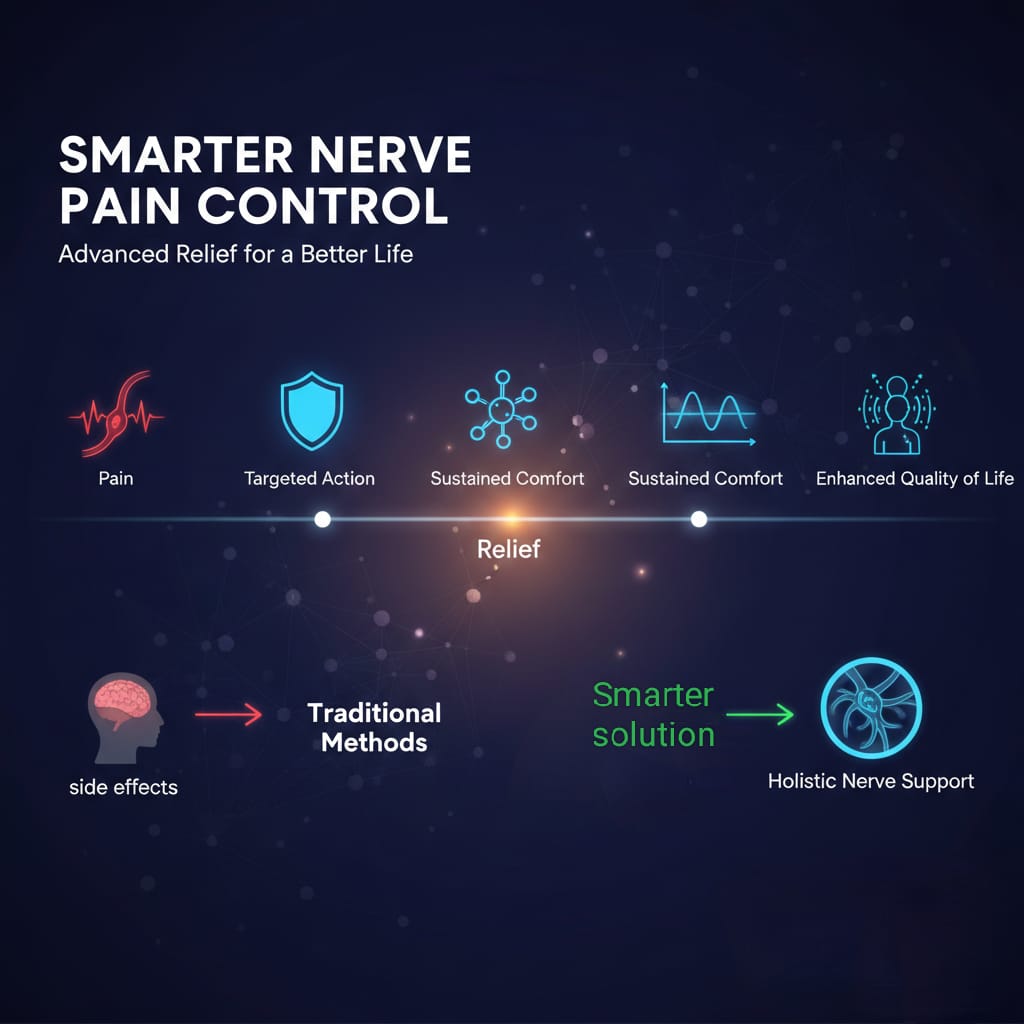
Understanding Pregabalin Combinations in Neuropathic Pain Management
Chronic nerve-related pain can be physically exhausting and emotionally draining. Conditions such as diabetic neuropathy, post-herpetic neuralgia, sciatica, and fibromyalgia often require more than a single medication for effective relief. In modern pain management, pregabalin-based combination therapies—especially Pregabalin with Nortriptyline and Pregabalin with Methylcobalamin—play a significant role in improving outcomes and quality of life.
This blog explores how these combinations work and why they are widely used in neuropathic pain management.
Understanding Neuropathic Pain
Neuropathic pain arises from damage or dysfunction of the nervous system. Unlike inflammatory pain, it often presents as:
Because multiple pathways are involved, combination therapy is often more effective than single-drug treatment.
Pregabalin + Nortriptyline: Dual Action for Enhanced Pain Relief
Why This Combination Works?
Nortriptyline is a tricyclic antidepressant that enhances pain modulation by increasing levels of serotonin and norepinephrine in the nervous system. When combined with pregabalin, it provides dual pain pathway control.
Key Benefits
Common Uses
This combination is particularly useful when pain is associated with sleep disturbances or mood changes.
Pregabalin + Methylcobalamin: Pain Relief with Nerve Repair Support
Why This Combination Works?
Methylcobalamin, the active form of vitamin B12, supports nerve regeneration and myelin sheath repair. While pregabalin reduces pain signaling, methylcobalamin helps address the underlying nerve damage.
Key Benefits
Common Uses
This combination is often preferred when nerve damage or nutritional deficiency plays a significant role.
Choosing the Right Combination
| Combination | Best Suited For |
| Pregabalin + Nortriptyline | Severe neuropathic pain, sleep disturbance, pain with mood symptoms |
| Pregabalin + Methylcobalamin | Neuropathic pain with nerve damage, long-term nerve support |
The choice depends on pain severity, patient tolerance, comorbidities, and treatment goals.
Safety and Clinical Considerations
Regular follow-up ensures optimal pain control and safety
Final Thoughts
Neuropathic pain is complex and often requires a multi-targeted approach. Pregabalin combined with Nortriptyline offers strong symptomatic pain relief, while Pregabalin combined with Methylcobalamin balances pain control with nerve healing support.
By tailoring treatment to individual needs, these combinations help patients regain comfort, function, and quality of life.
Effective pain management isn’t just about reducing pain—it’s about restoring life.
2 thoughts on “Smarter Pain Control”
stas quam, ut aliquam massa nisl quis neque. Suspendisse in orci enim. Proin gravida nibh v
stas quam, ut aliquam massa nisl quis neque. Suspendisse in orci enim. Proin gravida nibh v
Comments are closed.